Original editorial artwork; not a historical photograph.
Legacy · 1887–1960
Ernest Holmes
Founder of Religious Science and author of the movement's most systematic textbook.
Holmes studied Troward, Emerson, and Hopkins, then built a philosophy he called Science of Mind: open at the edges, precise at the center, deliberately non-dogmatic. The Science of Mind appeared in 1926 and was revised in 1938.
He founded the Institute of Religious Science and the magazine Science of Mind, both of which continue.
1926
The Science of Mind
1927
Institute founded
Monthly
magazine still published
Ideas associated with the work
- Spiritual mind treatment
- A universe that responds by corresponding
- Open-ended, non-dogmatic faith
- Practice over belief
Start with the most famous book
The Science of Mind
“Change your thinking, change your life.”
— Ernest Holmes, Ernest Holmes, widely attributed and echoed throughout The Science of Mind (1926)
Why this master matters
Holmes synthesised the whole field — Emerson, Troward, Hopkins, Eastern philosophy and the science of his day — into a single coherent system, then built Religious Science around it. The Science of Mind remains the tradition's most complete reference work.
Ideas in practice
Understand the teaching.
01
Spiritual mind treatment
A structured five-step prayer — recognition, unification, declaration, thanksgiving, release — designed to be practised, not improvised.
02
Synthesis over sectarianism
Holmes deliberately took what worked from every tradition he studied, which is why his system absorbs new ideas without breaking.
03
Release the outcome
His final step is letting go. Holding the treatment anxiously, he argued, undoes it.
Signature works
Start with the books.
Explore a short reading list, with purchasing links that support ManyMasters.
Start here
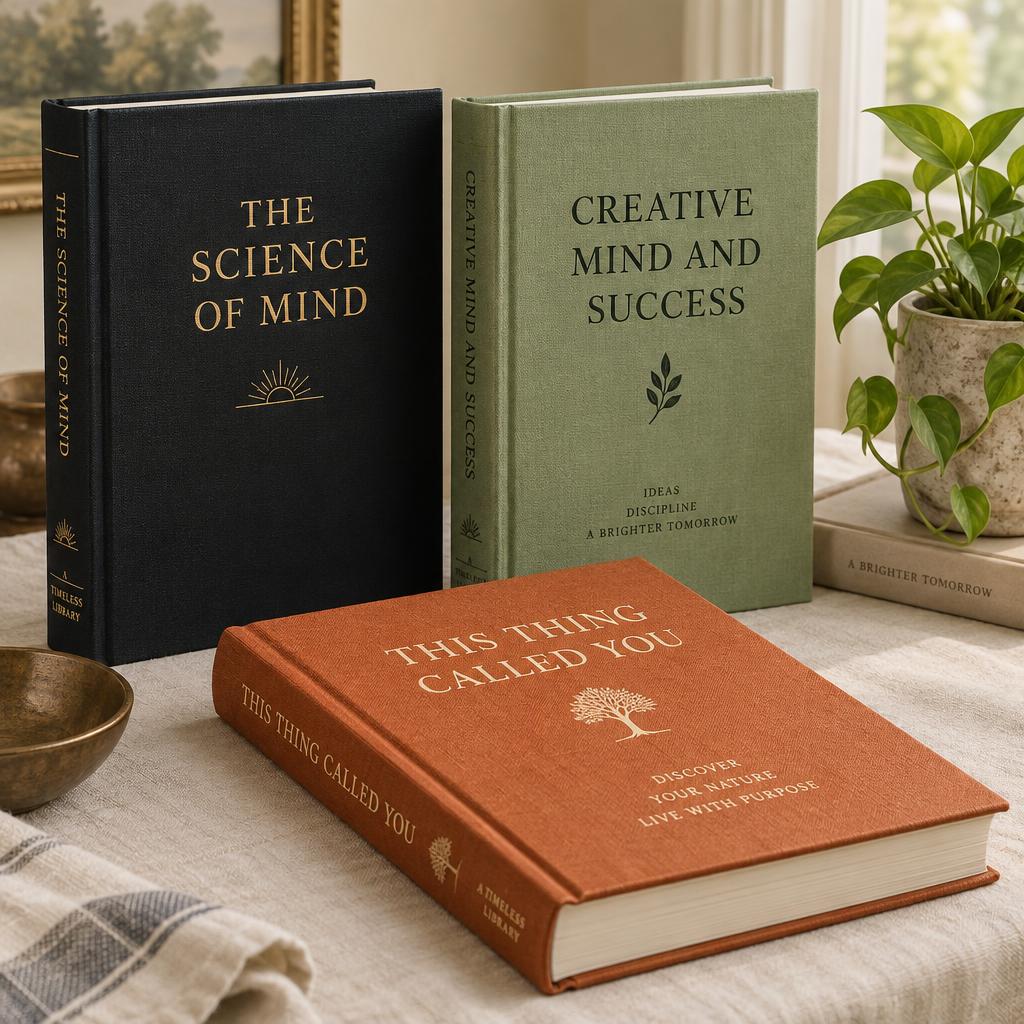
The Science of Mind
The definitive synthesis, usable both as a course of study and as a lifelong reference.
Explore editionsChoosing an edition
The Science of Mind exists in the original 1926 text and the expanded 1938 revision that most modern printings follow. Check which one a listing offers — the 1938 edition is the one classes usually teach from.
Affiliate disclosure: ManyMasters may earn a commission from qualifying purchases, at no additional cost to you.
Choose your path
Read for what you need now.
Historical context
This work belongs to the late-nineteenth and early-twentieth century New Thought movement. Read it as historical writing on belief, attention and character rather than as medical, psychological or financial advice, and treat the biographical stories that grew up around these figures as tradition rather than documented fact.