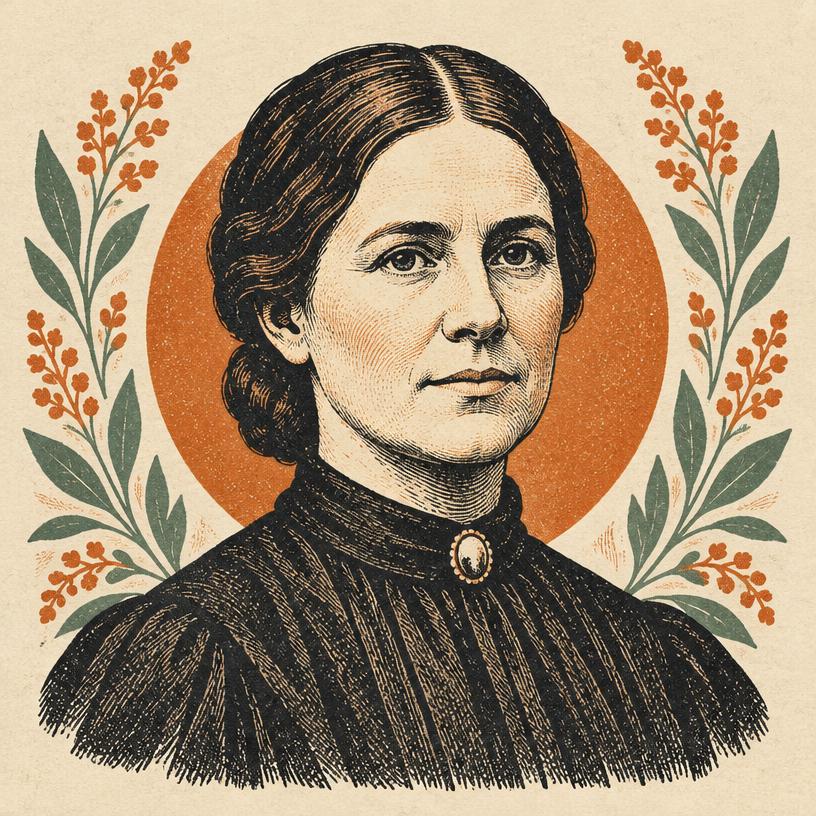
Original editorial artwork; not a historical photograph.
Legacy · 1844–1906
Malinda E. Cramer
Co-founder of Divine Science and one of the first women to build a national metaphysical organization.
After decades of chronic illness Cramer reported a healing experience in 1885 and began teaching in San Francisco, founding the Home College of Divine Science and the journal Harmony.
Her partnership with the Brooks sisters in Denver established Divine Science as a lasting denomination.
1888
Divine Science founded
Harmony
journal established
1892
national association formed
Ideas associated with the work
- Omnipresence as the starting point
- Healing as realization
- Practice available to everyone
- Women in ministry
Start with the most famous book
Divine Science and Healing
Why this master matters
Cramer co-founded Divine Science after her own recovery from years of invalidism, and launched a magazine that carried the movement's voices across the country. Divine Science later trained Emmet Fox and shaped Joseph Murphy.
Ideas in practice
Understand the teaching.
01
Omnipresence
Her starting point is that the divine is wholly present everywhere, which makes healing a recognition rather than a request.
02
Build the institution
She founded a magazine, an association and a school, giving the ideas somewhere to live.
03
Teach from experience
Her authority came from her own recovery, which she described plainly rather than dramatically.
Signature works
Start with the books.
Explore a short reading list, with purchasing links that support ManyMasters.
Start here
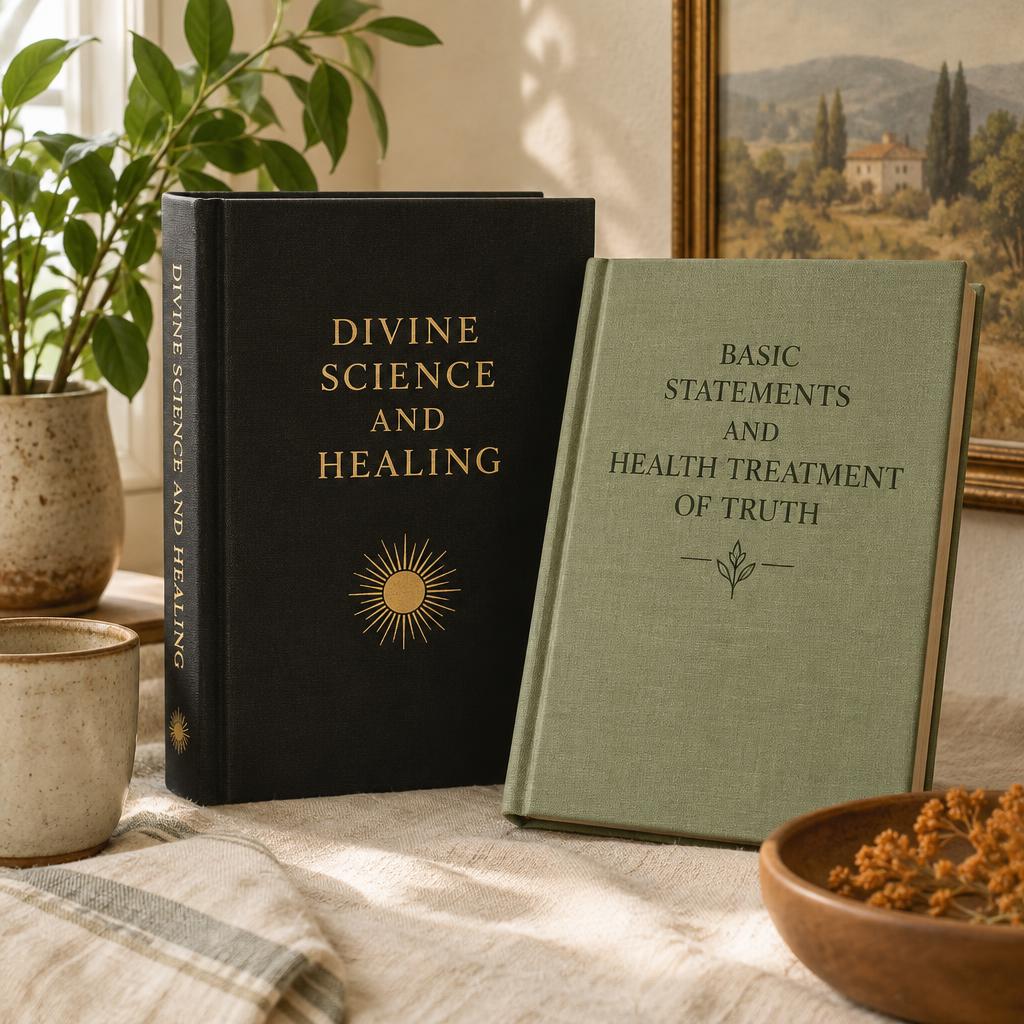
Divine Science and Healing
Her complete teaching in her own words, and the founding text of Divine Science.
Explore editionsChoosing an edition
These titles are long out of copyright, so editions range from careful annotated reprints to hasty print-on-demand scans. Before buying, check that the listing names a publisher, shows a readable interior sample, and keeps the original chapter structure intact.
Affiliate disclosure: ManyMasters may earn a commission from qualifying purchases, at no additional cost to you.
Choose your path
Read for what you need now.
Historical context
This work belongs to the late-nineteenth and early-twentieth century New Thought movement. Read it as historical writing on belief, attention and character rather than as medical, psychological or financial advice, and treat the biographical stories that grew up around these figures as tradition rather than documented fact.