Ideas in Context · 3 min read
The money beliefs you inherited
From prosperity teaching to modern financial psychology—what changes when you examine the story underneath the numbers.
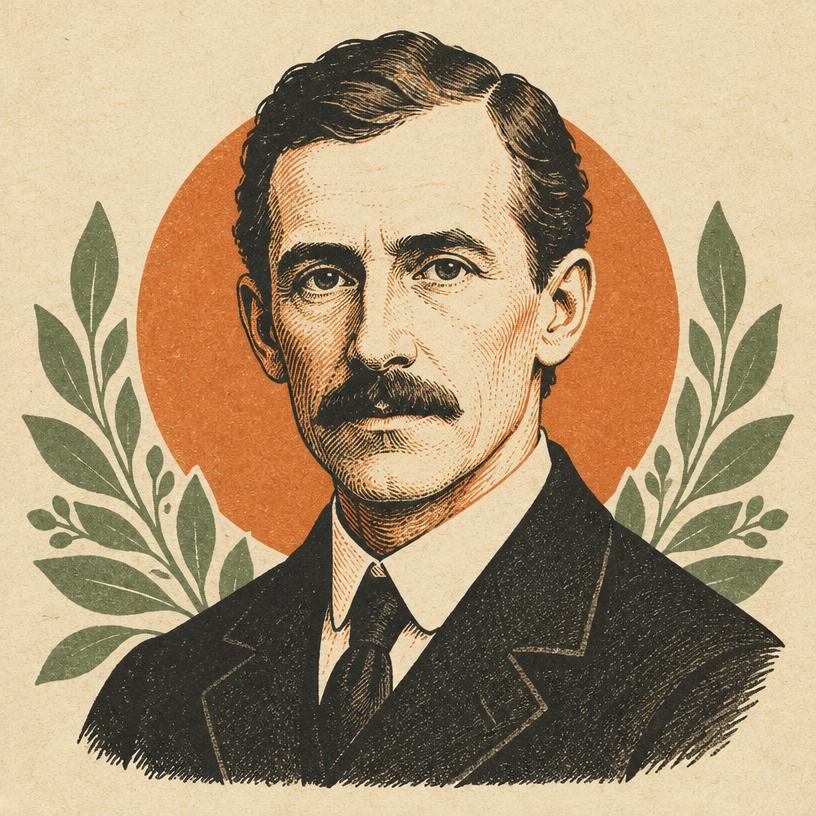


Few areas of personal development carry more inherited assumption than money. The literature spans a century, and reading it in order clarifies what is principle and what is period.
The prosperity tradition
Wallace D. Wattles wrote about wealth as a creative act rather than a competitive one—value made, not taken. The framing still reorients people who assume gain requires someone else's loss.
Read it as a stance toward contribution, and hold its more sweeping claims loosely.
Belief, expectation, and permission
Catherine Ponder's prosperity teaching centers on permission: many people quietly believe that having more is a moral problem. That belief shapes decisions long before any spreadsheet does.
Write the sentence about money you absorbed before you were twenty. Then ask whether you still agree with it.
From mindset to mechanics
Patrice Washington's work insists that belief work is incomplete without practice. Purpose, habits, and plain arithmetic have to meet.
Pair one belief you are revising with one behavior you are changing this month. Neither works alone.
Keep both halves
Mindset without mechanics becomes wishful. Mechanics without examined belief tend to be abandoned. The useful reading path holds both.
Choose one number you will face weekly and one inherited sentence you will challenge when it appears. Clarity in the ledger and clarity in the mind reinforce each other.
Name the script before it spends for you
‘Money is scarce.’ ‘Wanting more is greedy.’ ‘People like us never get ahead.’ ‘If I succeed, I will leave someone behind.’ These are not financial facts. They are family and cultural scripts that can quietly set the upper limit on what you ask, save, charge, or risk.
Trace one sentence to its first remembered voice. Thank it for whatever protection it once offered, then test it against your present life. Replace it with a claim tied to behavior: ‘I can learn the numbers,’ or ‘Creating value and receiving value can belong together.’