Ideas in Context · 3 min read
What the Stoics still teach about setbacks
An ancient discipline of attention, read through three modern voices on meaning, resilience, and control.


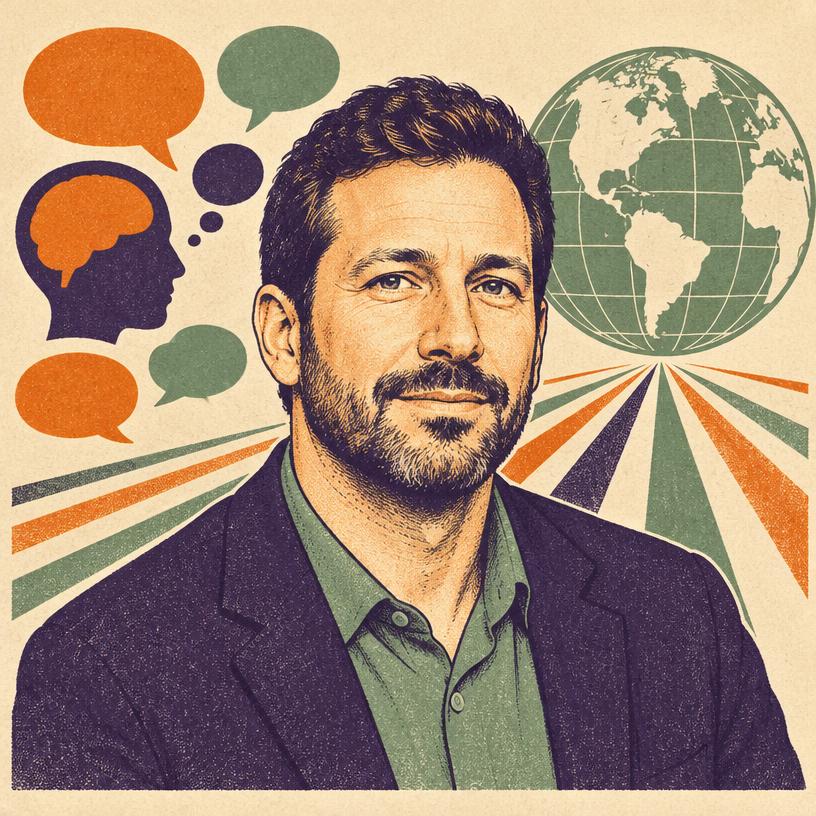
Stoicism survives because it makes one claim that holds up under pressure: you do not control events, but you retain some say in your response to them. Three modern writers show what that costs and what it gives back.
The obstacle is information
Ryan Holiday reframes difficulty as the working material of a life rather than an interruption to it. The obstacle does not become pleasant; it becomes usable.
The practice is unglamorous: name what you can affect, act on that, and stop rehearsing the rest.
Meaning under conditions you did not choose
Viktor Frankl wrote from circumstances that make most self-help language sound small. His conclusion is stricter and more humane than optimism: even stripped of choice, a person retains a stance toward their suffering.
Frankl is the correction to any reading of Stoicism that becomes mere toughness. Meaning, not endurance, is the point.
Quiet the inner narrator
Ethan Kross's research on inner speech gives the old discipline a modern mechanism. Rumination loops because the voice describing the problem is too close to it; distance restores judgment.
Describe the situation to yourself in the third person for a moment. The shift in perspective is small and unusually effective.
A practice for the next hard week
Write the setback in one sentence. Underneath it, list what is genuinely yours to act on. Do the first item today and leave the rest of the page alone.
Return tomorrow and revise the list. Control is not a permanent category; it changes as information arrives. The discipline is to keep seeing the boundary clearly instead of surrendering too early or pretending it does not exist.
Acceptance is not surrender
Stoic acceptance names the facts before action. Resignation uses the facts to avoid action. One says, ‘This is what has happened; what remains mine?’ The other says, ‘Nothing can be done,’ often before the evidence is in.
Anger, grief, and protest are not failures of philosophy. They may be the most truthful responses available. The question is whether they become instruments of deliberate action or merely consume the energy the next step requires.