Field Guide · 4 min read
The ideas did not begin with the people selling them now
Meet the originals, the broadcasters, and the modern translators behind a century of personal-development thought.
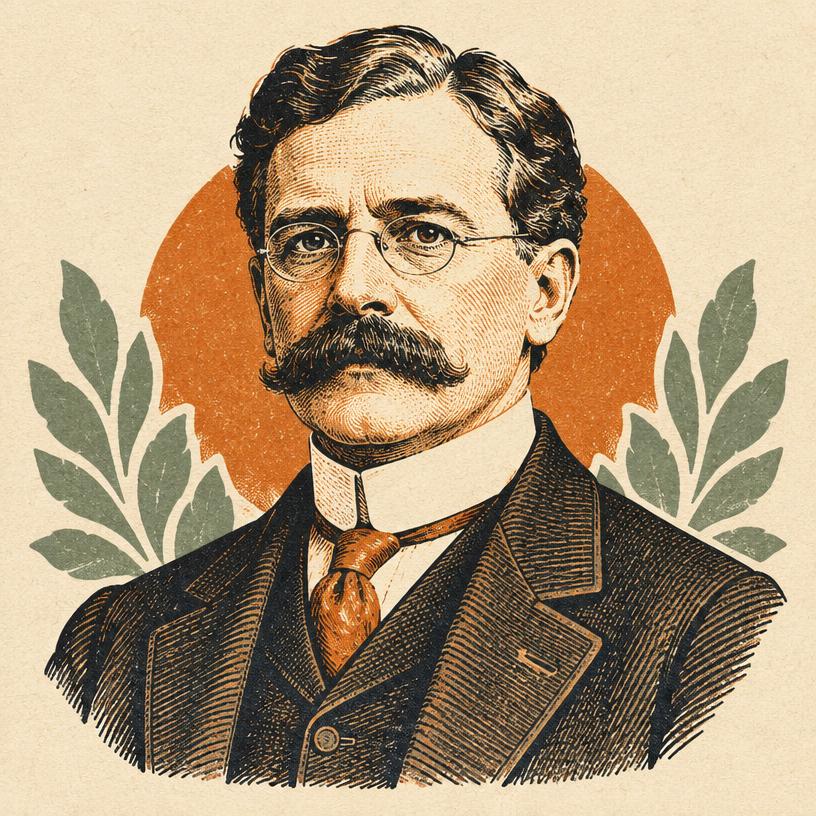
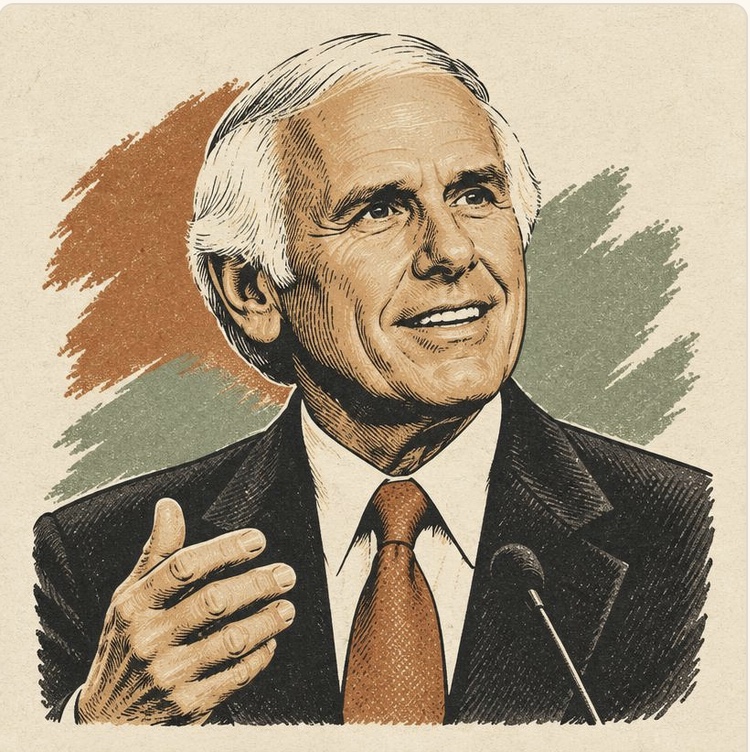
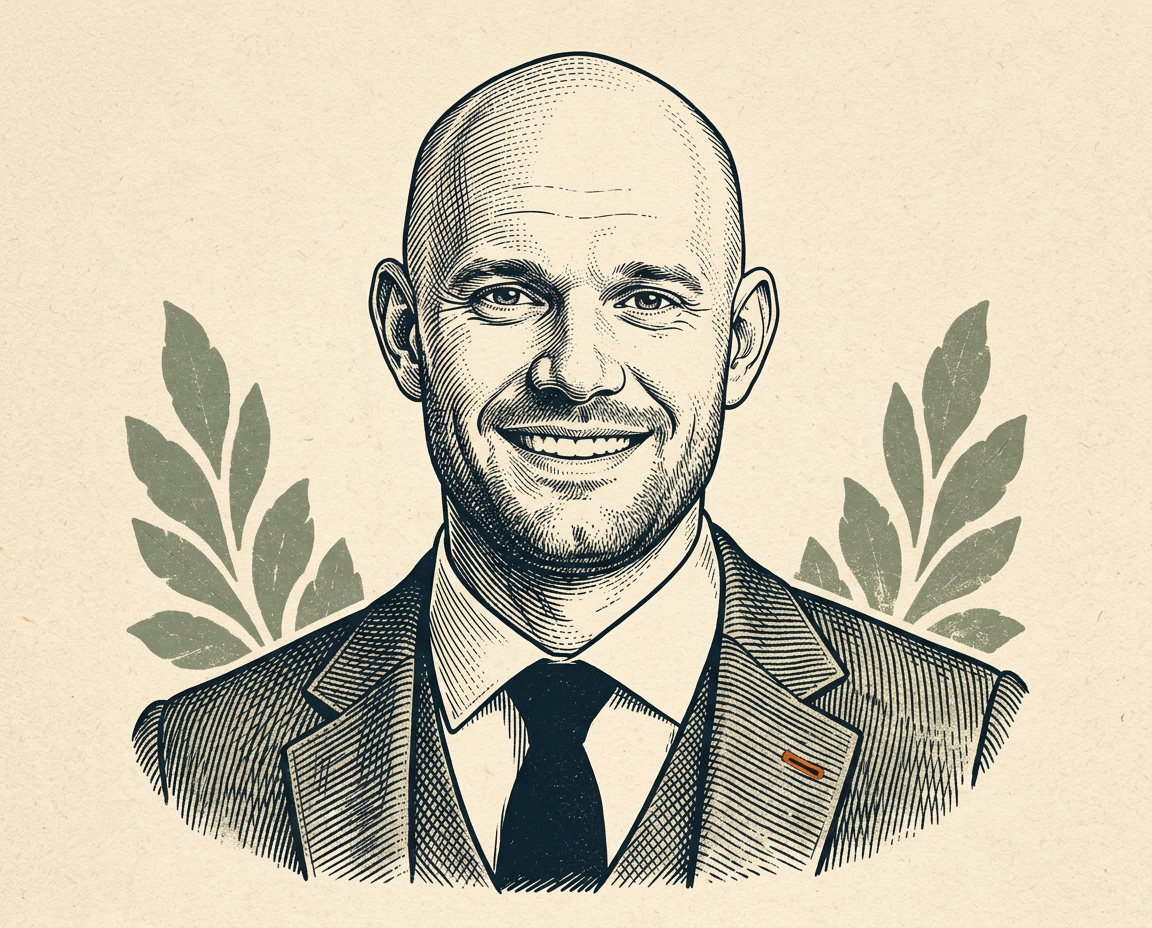
Personal development has a bloodline. Long before the podcasts, funnels, and five-step formulas, writers were risking their reputations on a radical claim: a human life could be deliberately remade. The language changed. The argument never died.
Legacy: the originals
The Legacy writers went first. They argued that thought, character, faith, and circumstance were bound together when saying so could cost credibility. Their language is older. Their nerve is not.
Do not read them as infallible prophets or antique curiosities. Read them as primary evidence. Mark what survived, what failed, and what the next hundred years quietly stole.
Legends: the broadcasters
The Legends took private philosophy public. They carried ideas about purpose, responsibility, belief, and achievement out of metaphysical circles and into hotel ballrooms, cassette players, boardrooms, and millions of homes.
Their style could be theatrical. Good. They meant to wake people up. Read them before their sharpest lines were sanded down into captions and motivational wallpaper.
Luminaries: the translators
The Luminaries inherited a shelf full of dangerous old claims and translated them for a skeptical age. Intention became identity. Discipline became systems. Presence met neuroscience. What once sounded mystical now arrives with studies, frameworks, and a cleaner vocabulary.
Start here if you want an idea you can test before lunch. Then keep going. The polished modern framework often has an older, stranger ancestor—and that ancestor may have said it with more force.
Enter where it hurts
Forget the approved reading order. Start with the question that keeps returning: money, courage, grief, discipline, meaning, attention. Find one voice that names it without flinching. Read the book. Follow the lineage backward. The archive is not a ranking. It is a trail of contraband ideas.
When two teachers disagree, resist the urge to crown a winner. Ask what each one noticed, what their era made visible, and what their certainty concealed. The friction between them is often more useful than either formula alone.
Watch one idea change clothes
James Allen argued that repeated thought becomes character. Jim Rohn recast character as the daily philosophy governing choices. James Clear translated that philosophy into identity-based habits: every repeated action casts a vote for the person you are becoming. The vocabulary moves from moral essay to seminar stage to behavioral system, but the central wager survives.
That continuity is why sources matter. A modern framework can make an old insight measurable, but the older work can recover its moral weight. Read forward for usability and backward for depth. Somewhere between the two, borrowed advice becomes examined conviction.